The Ministry of Communication, Digital Technology and Innovations, is supporting efforts to strengthen science and technology journalism in Ghana, as part of a broader national agenda to improve how scientific research and innovation are communicated to the public.
Through its partnership in the 2026 Capacity Building for Media Excellence in Science, Technology and Innovation (STI) Reporting programme, the Ministry is collaborating with leading academic and international institutions to equip journalists with the skills needed to accurately report on scientific and technological developments.
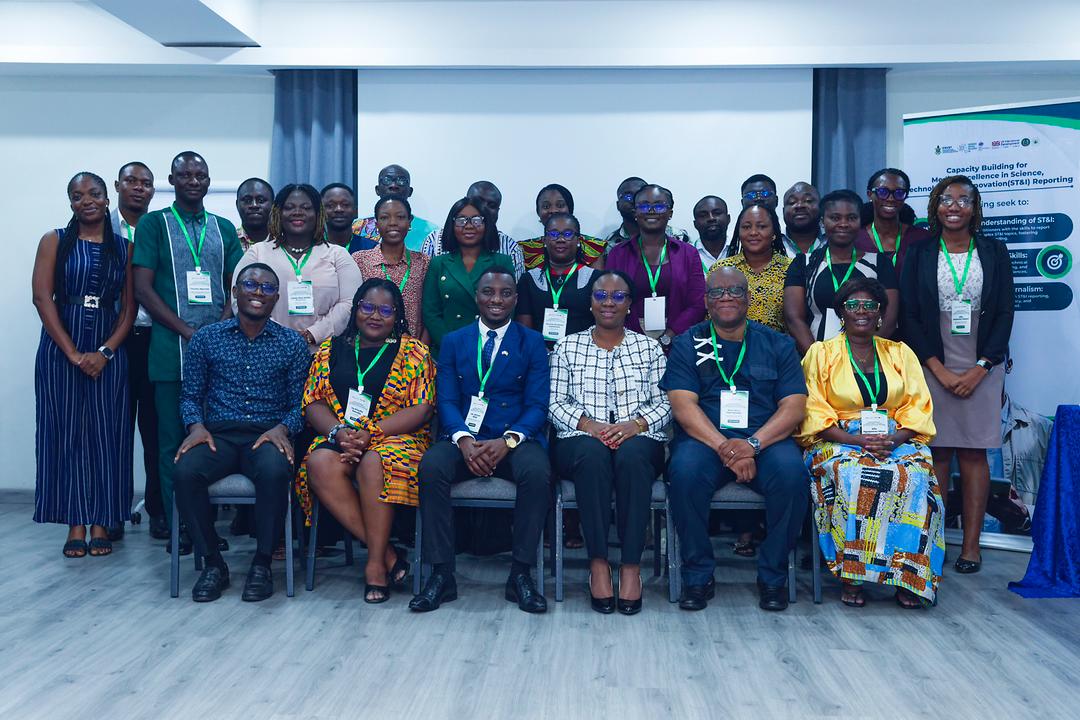
The one-week training, held in Accra, brought together 24 journalists from across the country under a joint initiative involving the Kwame Nkrumah University of Science and Technology (KNUST), the Responsible Artificial Intelligence Laboratory (RAIL), the British High Commission in Accra, and UK International Development.
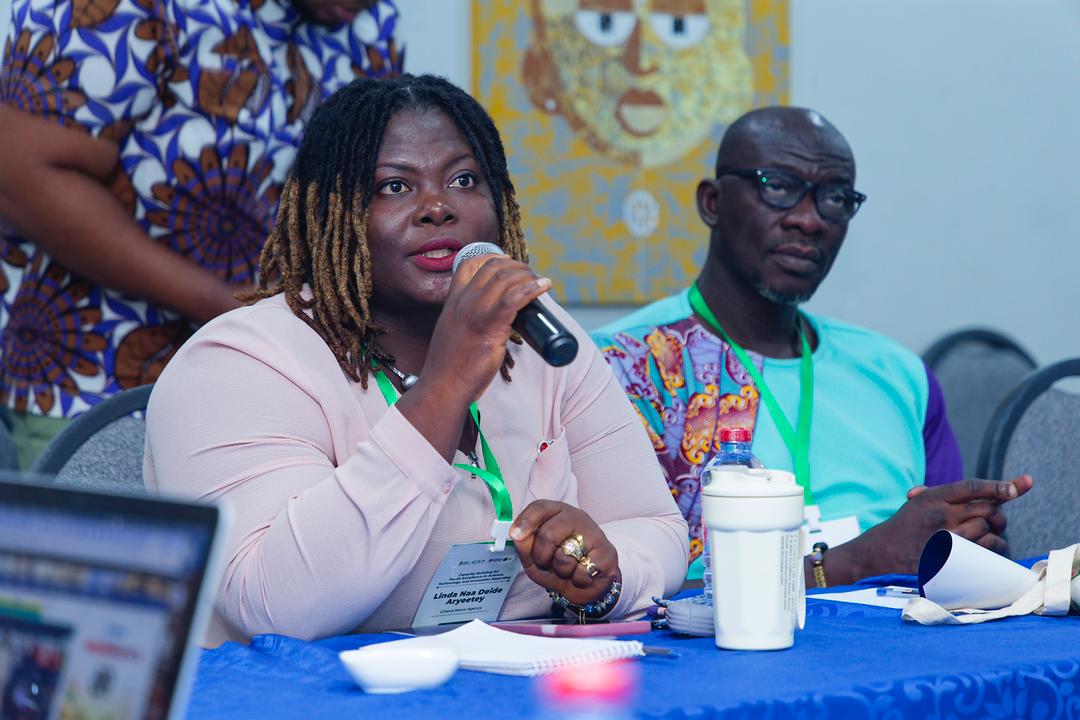
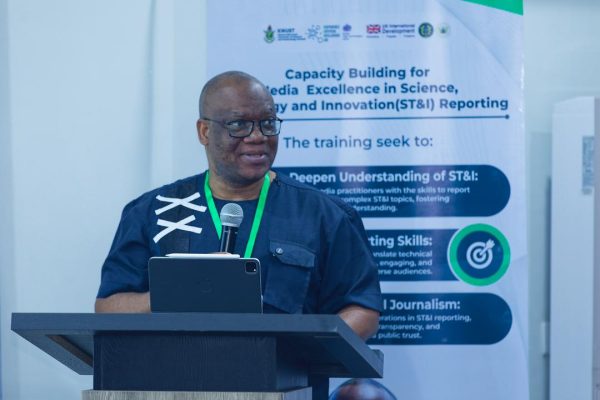
Over the course of the week, participants engaged directly with scientists, researchers, and innovation experts, exploring how the media can better communicate scientific breakthroughs and technological advancements to the public.
At its core, the programme emphasized a critical national priority: ensuring that science and technology are not only developed but also clearly understood and effectively applied to improve lives.
At the end of the one-week training in Accra, ten (10) journalists were selected to participate in a further one-week advanced training at Imperial College London, continuing their capacity-building in science, technology, and innovation reporting in an international context.